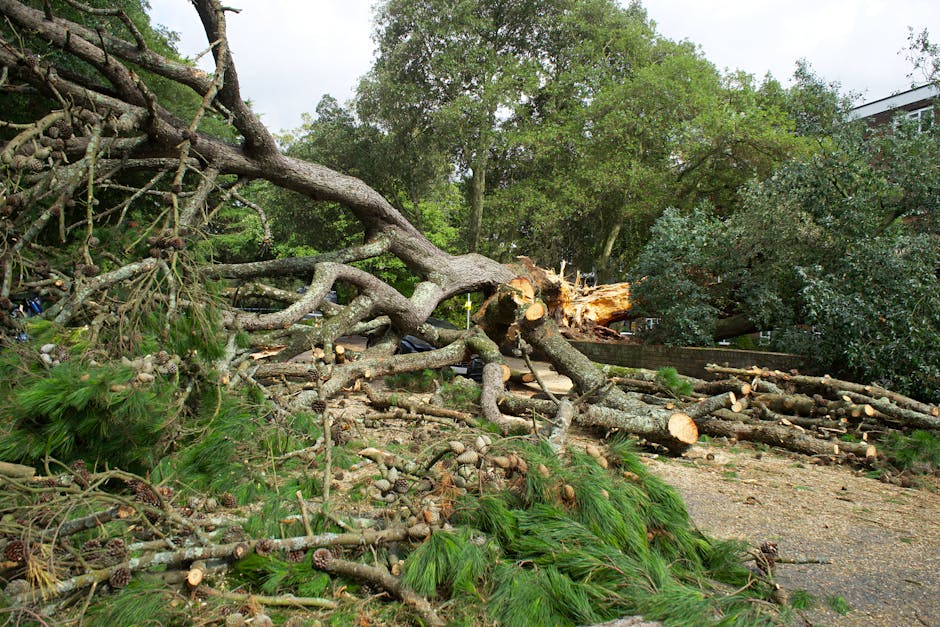
Emergency gardeners for tree work near Bounds Green station
If a tree has snapped in a gusty evening, a heavy branch is hanging over a path, or roots have lifted the ground after a storm, you need help fast. That is exactly where emergency gardeners for tree work near Bounds Green station come in. The right team can make a dangerous garden safer, clear access, and stop a small problem becoming a much bigger one. In a busy part of North London, with pavements, fences, parked cars and foot traffic all close by, speed matters - but so does judgement.
This guide explains what emergency tree work actually involves, how it tends to be handled, what to ask before anyone starts cutting, and when a gardening team is the right fit versus when a specialist arborist is needed. You will also find a practical checklist, a comparison table, and a few plain-English pointers that are easy to miss when you are staring at a half-fallen tree at 7:30 on a wet Tuesday morning.
Why Emergency gardeners for tree work near Bounds Green station Matters
Emergency tree issues are rarely neat. A branch may be cracked but still attached, a tree may have shifted after strong wind, or a stump may be splintered and unstable. Near Bounds Green station, that can create very immediate problems: blocked access for residents, trip hazards on narrow paths, damage risks to sheds and fencing, and safety concerns for anyone walking past. The sooner the tree is made safe, the less chance there is of injury, further property damage, or the whole thing worsening overnight.
To be fair, a lot of people only notice tree problems once the weather turns ugly. You look outside, hear a thud, and suddenly the garden feels different. The smell of crushed wood, the sight of a branch leaning at an awkward angle, the way a fence panel starts groaning - it all makes you realise this is not a "next weekend" job.
Emergency gardeners for tree work are valuable because they do more than simply remove green waste. They assess what can be safely cut, what needs to be left until proper access or equipment is available, and how to reduce risk without making the situation worse. That judgement is a big part of the job.
If you are comparing services, it helps to remember that tree work often sits alongside other urgent garden needs too. A team that handles tree lopping and removal may also be able to support with garden clearance after the immediate hazard is dealt with. That combination is often what makes a garden usable again, not just safe in theory.
How Emergency gardeners for tree work near Bounds Green station Works
Emergency tree work usually follows a practical sequence rather than a glamorous one. First comes the call or message, then a quick description of the issue, then an assessment of the urgency. If there is a safety risk, the response is often focused on containment first: make the area safe, stabilise what can be stabilised, and remove the most dangerous material.
In a live situation, the team may ask for photos or a short video. That is not being difficult; it helps them understand whether the issue is a low hanging limb, a split trunk, a root plate that has lifted, or a tree that has come down onto a fence or structure. A clear photo taken from a little distance can save time and, sometimes, prevent a wrong-sized crew turning up with the wrong kit. Nobody wants that awkward moment.
The actual work can include sectioning branches, clearing broken wood, reducing weight on a compromised tree, removing debris from a driveway or footpath, and setting out the area so nobody accidentally wanders into danger. For larger or more complex trees, the team may need specialist access equipment, extra labour, or a more staged approach. Emergency work is often about prioritising the most urgent danger rather than completing every piece of tree care in one visit.
Good providers also think about disposal. Large limbs and trunks can create a surprising amount of waste, and you do not want them left in a heap across a lawn for days. A responsible service will usually have a plan for removing arisings, recycling wood where possible, and leaving the site tidy. If sustainability matters to you, it is worth asking how green waste is handled. The page on recycling and sustainability is a useful reference point for understanding that wider approach.
One more thing: emergency tree work is not always the same as routine tree maintenance. If the tree is unstable, the team has to work around tension, hidden fractures, and awkward load distribution. That means speed is important, but caution is more important. A rushed cut in the wrong place can make the problem worse very quickly.
Key Benefits and Practical Advantages
The biggest benefit is obvious: immediate risk reduction. But there are a few more practical gains that people often overlook.
- Faster access: paths, gates, driveways and shared entrances can be reopened sooner.
- Less secondary damage: a loose branch left overnight can crack fencing, glazing, or roof edges.
- Better decision-making: you get an informed view on what can be saved, what needs pruning, and what may need full removal.
- Cleaner handover: if the debris is cleared properly, the garden becomes manageable again rather than looking like a crash site.
- Lower stress: honestly, that matters. Once someone competent is on site, the situation stops feeling so chaotic.
Another advantage is that the right team can blend emergency response with broader garden recovery. A damaged tree may expose borders, wreck planting beds, or leave behind snapped stems and loose soil. That is where follow-up support such as garden maintenance or even landscaping can help restore the space in a sensible order, rather than trying to fix everything at once.
Expert summary: Emergency tree work is not just about cutting fast. It is about making a garden safe, deciding what to preserve, and leaving the site in a condition that makes the next step easier rather than harder.
Who This Is For and When It Makes Sense
This kind of service is for anyone facing a tree-related hazard that cannot sensibly wait. That includes homeowners, landlords, letting agents, businesses with front or rear garden space, and residents managing shared access areas. In North London terraces and converted properties, even a small fallen limb can block the only clear path to the back garden, bins, or side entrance. Not ideal.
It makes sense when the tree or branch is causing an active hazard, when it has already fallen, or when there is a strong chance of further movement. It can also be the right call if storm damage has left a tree visibly split, leaning, or hanging over a route that people use daily. If the issue is cosmetic or routine, emergency attendance may be unnecessary. A normal booked visit might be enough.
There are a few situations where urgency is especially high:
- a branch is suspended above a walkway, driveway, or neighbour's boundary
- a tree has uprooted partially and is still moving
- wood is pressing on fencing, sheds, greenhouses, or outbuildings
- the garden is restricting access to a home or shared area
- there is a risk of debris falling into the street or onto a pavement
If you are not sure whether it counts as urgent, ask yourself a simple question: if nothing happened for the next 12 hours, would the risk still feel acceptable? If the answer is no, treat it as an emergency.
For some properties, the issue is not just the tree itself but the mess left behind. In those cases, a service that also handles services overview planning can be helpful because it gives you a way to understand what is immediate, what can wait, and what needs a second visit.
Step-by-Step Guidance
If you are dealing with a tree problem near Bounds Green station, this is the practical sequence I would follow.
- Keep people away. Do not stand under the branch, and do not let children or pets near the area. Simple, but crucial.
- Take a few photos from a safe distance. One wide shot and one or two closer images are usually enough to show the damage.
- Check immediate hazards. Look for fallen cables, broken glass, blocked exits, or signs that the tree may move again.
- Contact an emergency tree work provider. Give the address, access details, and a plain description of what has happened.
- Explain what changed. Was there wind, rain, a vehicle impact, or an existing crack that suddenly worsened?
- Ask what they need before arrival. Sometimes they will want photos, access guidance, or neighbour permission if the tree crosses a boundary.
- Let the crew prioritise safety. They may not remove every piece immediately if that would create more risk.
- Plan the follow-up. Once the site is safe, decide whether the tree needs pruning, removal, or ongoing maintenance.
A small but useful detail: keep gates unlocked if it is safe to do so, and clear the area of bikes, bins, ornaments, or anything that could get in the way. That saves time. It sounds obvious, but in the moment people forget. Happens all the time.
If the issue has left the whole garden cluttered, a second-stage tidy-up via garden clearance can be the cleanest way to restore order once the danger has gone.
Expert Tips for Better Results
Good emergency tree work usually comes down to a few unglamorous habits.
- Describe the problem, not just the symptom. "A branch is hanging over the side return" is more useful than "tree issue".
- Tell the team what is underneath the tree. Cars, sheds, fences, play areas, and glass roofs all change the risk picture.
- Ask whether the tree can be made safe temporarily. Sometimes an immediate reduction is enough while a fuller decision is made later.
- Check if there are boundary issues. Shared trees and neighbour disputes can slow things down if they are not handled tactfully.
- Keep expectations realistic. Emergency work is often about safety first, neatness second, and permanent resolution third.
Another tip: do not assume the largest visible branch is the only problem. A tree may look fine from one angle and still have a split at the back or a lifted root plate you cannot see from the patio. That is why experience matters. The first cut should be made with care, not bravado.
If you want a broader service relationship rather than a one-off rescue, it can be worth looking at how the team handles ongoing tree and garden care through about us and insurance and safety. Those pages help set expectations around professional standards, working practices, and the sort of reassurance people usually want before anyone climbs a ladder near a damaged tree.
Common Mistakes to Avoid
Let's face it, when people are worried, they sometimes do the first thing that feels productive. That is not always the safest thing.
- Trying to cut a hanging limb yourself. A branch under tension can spring, twist, or fall unpredictably.
- Ignoring smaller damage. A cracked limb can become a bigger problem after rain or another gust.
- Calling a generic handyman for a serious tree hazard. Tree work has its own risks and methods.
- Blocking the crew's access with parked vehicles. Makes an already difficult job slower.
- Assuming all tree work is the same. A light prune and an emergency removal are completely different animals.
- Forgetting the neighbour side. If the tree crosses a boundary, communication matters more than people think.
The most common mistake, honestly, is waiting too long because the tree is "probably fine for tonight." That phrase has caused more trouble than it should. If the branch is visibly damaged, it is damaged. If it is leaning more than before, it probably is. Trust the change you can see.
Tools, Resources and Recommendations
You do not need a truck full of kit to make smart decisions, but a few things help.
- Camera phone: useful for photos before any work starts.
- Torches or work lights: especially if the problem happens in the evening.
- Gloves and sturdy footwear: if you must move only very light debris, protect yourself.
- Garden sacks or waste containers: useful for minor tidy-up after the hazard is removed.
- Notepad: handy for names, timings, and follow-up notes, which you will forget by lunch otherwise.
For property owners who want a fuller service relationship, it can be helpful to review the team's wider options such as hedge trimming, lawn mowing, or even decking services if the garden recovery eventually leads to a broader redesign. That may sound a bit beyond the emergency, but after a stressful incident many people decide to tidy up the whole outdoor space while they are at it.
If you are comparing providers, pricing guidance matters too. The page on pricing and quotes is a sensible place to understand how estimates are handled, what may affect the final figure, and why emergency call-outs can vary depending on access, time, and complexity.
Law, Compliance, Standards and Best Practice
Tree work in the UK needs to be approached with care. Depending on the property, the tree, and the location, there may be planning controls, conservation considerations, boundary issues, or landlord and tenant responsibilities to think about. I am deliberately keeping this high level here because the exact requirements vary, and it is not wise to guess from a distance.
From a best-practice point of view, a reputable team should think about the following:
- working safely around unstable timber and falling material
- using suitable protective equipment
- keeping the public away from hazards during the job
- clearing waste responsibly
- being clear about what is urgent work and what is follow-up work
If the tree is close to structures, utilities, or shared access, the job may need extra care and possibly coordination with other parties. This is especially relevant in dense residential areas near transport links like Bounds Green station where foot traffic and limited parking can make access tricky.
It also helps to choose a provider that is transparent about working practices and responsibility. A quick read of health and safety policy, complaints procedure, and payment and security tells you a lot about how the business operates beyond the sales chat. Not exciting, perhaps, but very useful.
Options, Methods, or Comparison Table
When people say "tree work", they often mean several different things. Here is a simple comparison to help you decide what is actually needed.
| Option | Best for | Typical outcome | Notes |
|---|---|---|---|
| Emergency make-safe | Immediate danger, hanging branches, partial collapse | Area becomes safer quickly | Often the first step, not the whole solution |
| Selective pruning | Damaged limbs that can be reduced without full removal | Less weight and lower risk | Useful when the tree is still salvageable |
| Full tree removal | Severe structural failure or high ongoing risk | Tree is taken out completely | May need more planning and access |
| Clearance plus tidy-up | After storm damage or fallen debris | Site is cleared and usable again | Often paired with broader garden restoration |
In plain English: if the tree is still standing but unsafe, make-safe work may be enough for now. If the structure is badly compromised, removal might be the sensible long-term answer. And if the real issue is the mess left behind, the clean-up matters just as much as the cut itself.
Case Study or Real-World Example
Here is a realistic scenario, the sort of thing that crops up more often than people expect.
After a windy night, a homeowner near Bounds Green station finds a heavy limb resting across part of the rear garden, with smaller branches hanging over a narrow side path. Nothing has hit the house, but the path is now awkward to use and the branch looks unstable. The first instinct is to pull it down. Instead, the owner steps back, keeps the family away, and takes three photos from the patio door.
The response starts with a quick assessment. The damaged limb is reduced in sections, the loose material is removed, and the access path is cleared so the family can reach the bins and side gate again. The tree itself is not necessarily finished; it may need a later inspection or follow-up pruning. But the immediate danger is dealt with before the next gust turns a bad evening into a broken fence or worse.
What made that work well was not only the cutting. It was the order of operations. Secure the area, understand the load, remove the danger, then plan the next step. That is the part people rarely see when they picture "emergency gardeners" - it is calm decision-making under pressure, not just muscles and saws.
Practical Checklist
Use this checklist if you are dealing with urgent tree work near Bounds Green station.
- Keep people, pets, and neighbours away from the danger zone
- Check for immediate hazards like cables, glass, or blocked exits
- Take clear photos from a safe distance
- Note whether the tree is leaning, split, or partially uprooted
- Tell the provider if the tree is near a fence, car, shed, or roof
- Ask whether the first visit is a make-safe visit or a full removal
- Confirm how debris will be removed
- Discuss any boundary or access issues early
- Ask about follow-up maintenance if the tree is not fully removed
- Keep a record of the work carried out and any advice given
If the site needs more than emergency tree work, a broader garden refresh may follow naturally. A service path that includes landscape gardening can help rebuild the space properly rather than leaving it in a half-fixed state.
Conclusion
Emergency gardeners for tree work near Bounds Green station are there for the moments when delay is not a sensible option. The best service is not just quick; it is careful, practical, and honest about what can be done safely on the day. That matters whether you are dealing with a storm-battered branch, a split trunk, or debris blocking access to your home.
The key is to act early, keep people clear, and choose a team that understands both the immediate risk and the longer-term fix. In the real world, that combination is what gets a garden back to normal. Well, as close to normal as a storm-damaged tree ever gets.
Get a free quote today and see how much you can save.
And if the situation feels a bit overwhelming right now, that is completely understandable. Start with safety, take one step at a time, and the rest becomes much more manageable.
Frequently Asked Questions
What counts as an emergency tree job?
An emergency tree job is usually any situation where a tree, limb, or large branch creates an immediate safety risk. That could mean a fallen tree, a hanging branch, a partial collapse, or a tree blocking access. If someone could reasonably be hurt by waiting, treat it as urgent.
Can a gardener handle emergency tree work, or do I need an arborist?
It depends on the complexity of the job. Some urgent situations can be handled by experienced gardeners who also do tree work, especially if the task is to make the area safe or clear debris. More complex tree surgery may require specialist arboricultural skills. If in doubt, ask what experience and equipment they have for that exact type of job.
How quickly can emergency gardeners usually arrive near Bounds Green station?
Response times vary depending on the time of day, weather, access, and workload. In practice, urgent jobs are prioritised, but no one sensible should promise a fixed arrival time without checking the situation. A good provider will give you a realistic window rather than a guess.
What should I do before the team arrives?
Keep everyone away from the affected area, take photos from a safe distance, and remove anything loose from the immediate vicinity if it is safe to do so. If a car or bin is in the way, move it only if you can do that without approaching the hazard. Do not stand under a damaged branch. Not worth it.
Will emergency tree work remove the whole tree?
Not always. Sometimes the safest first move is to make the tree secure, reduce the dangerous parts, and return later for a fuller decision. Full removal is only one option, and it is not always the right one on the day.
How much does emergency tree work cost?
Costs vary depending on urgency, access, size of the tree, disposal needs, and whether the work is outside normal hours. Because no two jobs are the same, it is better to request a tailored quote than rely on a general figure. The pricing page on the site is a sensible place to start.
Do I need permission if the tree is near a boundary?
Possibly. If the tree is shared, near a neighbour's property, or part of a boundary arrangement, it is wise to be careful before any work starts. In urgent situations, making the area safe may come first, but long-term decisions should still be handled properly and politely.
What happens to the waste after the tree is cut back?
Usually the cut material is taken away, chipped, recycled, or otherwise disposed of responsibly depending on the service and the site. It is worth asking about waste handling in advance if you want a tidy finish and a lower-impact approach.
Is storm damage always an emergency?
No, but it often is when the tree is unstable, blocking access, or likely to fall further. If the damage is minor and the tree is secure, it may be fine to book a normal visit. The real question is whether the risk is active or just unsightly.
Can emergency gardeners also help with the garden after the tree is safe?
Yes, many can help with the tidy-up and with broader recovery work such as clearance, maintenance, or landscaping. That can be very handy if the tree damage has left the whole space messy or uneven.
What if the damaged tree is close to my house or shed?
Tell the provider immediately. Trees near buildings need careful assessment because of the risk to roofs, gutters, panels, and glazing. The team may choose a staged approach to reduce the load first and remove the tree safely afterwards.
How do I know if a provider is trustworthy?
Look for clear communication, sensible safety practices, and a straightforward explanation of what they can and cannot do. Pages such as about us, health and safety, insurance and safety, and complaints procedure can give you a better sense of professionalism. If the answers feel vague, that is usually a sign to slow down and ask more questions.
For a calmer next step, a proper conversation and a clear site assessment go a long way. In a stressful moment, that bit of certainty is worth quite a lot.